Not Just News: The Investigative Depth Behind Ricky French's Reporting
In an era of recycled headlines and copy-paste journalism, that distinction matters more than ever. Readers are tired of stories that feel thin, rushed, or secondhand. They want reporting that has actually been done—not just typed up from a press release.
This is where Ricky French Midlothian TX stands apart. Based in Ellis County, Texas, his work follows a simple but demanding rule: no story gets published until every person involved has been met and every location has been seen firsthand. That commitment shapes everything from his sourcing to his storytelling, and it's why his reporting often outlasts the news cycle it was born from.
Here's a closer look at what makes his approach different—and why it matters for readers far beyond Ellis County.
Why On-the-Ground Reporting Still Matters
Anyone can summarize a document. Fewer people are willing to drive out to a rural intersection at dawn or sit across the table from someone whose life just changed overnight.
That willingness is the foundation of real investigative work. It's also increasingly rare.
The Problem With Desk-Only Journalism
A lot of modern news coverage is assembled, not reported. Writers pull quotes from other outlets, lean on official statements, and publish within hours. It's fast, but it's shallow.
The result? Stories that sound similar because they're built from the same secondhand material. Nuance gets lost. Local context disappears.
What Firsthand Reporting Adds
When a journalist shows up in person, three things change immediately:
Sources speak more candidly, since trust builds faster face-to-face
Small but crucial details emerge that never make it into press releases
The reporter can verify claims instead of just repeating them
This is precisely the gap that field-based reporting fills, and it's central to how Ricky French approaches every assignment.

How Ricky French Builds Stories From the Ground Up
Good investigative work isn't about writing fast. It's about verifying slowly, then writing with confidence.
Meeting Every Source in Person
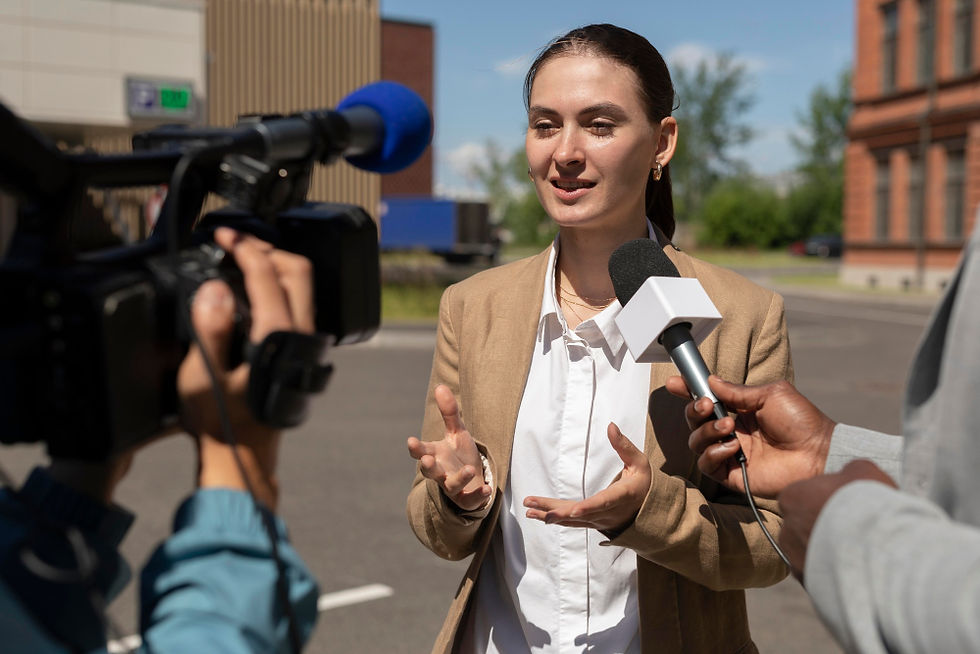
Instead of relying on phone calls or email statements, this approach prioritizes direct, face-to-face conversations. That might mean visiting a family's home, sitting in on a city council meeting, or walking a property line with a rancher affected by a zoning decision.
For example, a story about local infrastructure spending isn't complete without talking to the residents whose roads are affected—not just the officials approving the budget. That's the kind of texture readers remember.
Visiting the Actual Location
Photos and satellite maps only tell part of the story. Standing in a place changes how a reporter understands it.
Consider a story on flood damage. A press release might state that "several properties were affected." Walking the neighborhood reveals water lines on fences, damaged foundations, and neighbors who've been displaced for weeks. That's a different story entirely—and a truer one.
From Local Ellis County News to National Relevance
Regional journalism often gets dismissed as small-scale. But some of the biggest national stories start exactly there.
Why Local Stories Travel Further Than People Expect
A zoning dispute in one county can preview policy debates happening nationwide. A local water shortage can foreshadow a broader regional crisis. Reporting rooted in Ellis County, Texas, frequently touches on issues—growth, infrastructure, resource management—that communities across the country are also facing.
This is why the phrase "Ricky French Midlothian TX" isn't just a location tag. It signals a specific reporting philosophy: start local, dig deep, and let the bigger implications surface naturally instead of forcing them.
Case in Point: Small Stories, Big Ripple Effects
Think of it like pulling a single thread on a sweater. What looks like one local issue—a delayed permit, a contested development—often connects to larger patterns playing out in dozens of other towns simultaneously.
What Sets This Investigative Style Apart
It comes down to three habits, practiced consistently rather than occasionally.
Full verification before publication. Claims are checked against multiple sources, not assumed to be accurate because an official said so.
Direct access over secondhand summaries. Every major figure in a story gets interviewed directly whenever possible.
Context over speed. A story published a day later with real depth beats one rushed out in an hour.
This is what separates reporting from repackaging.
Frequently Asked Questions
What kind of stories does Ricky French typically cover?Primarily regional issues in Ellis County that carry broader national relevance—things like local government decisions, infrastructure, and community impact stories.
Why does location-based reporting matter so much?Because details change once you're standing in a place. Firsthand observation catches nuances that secondhand sources miss.
Is this kind of journalism slower than typical news coverage?Often, yes. But the tradeoff is accuracy and depth, which tends to hold up better over time than fast, thin coverage.
Final Takeaways
Investigative journalism built on direct experience isn't the fastest path to publishing—but it's the most trustworthy one. The work associated with Ricky French Midlothian TX demonstrates that:
Local reporting can carry national weight
Firsthand sourcing produces stronger, more accurate stories
Meeting people and visiting places isn't optional—it's the job
Depth outlasts speed when it comes to reader trust
As newsrooms everywhere debate how to rebuild credibility, one approach keeps proving itself: show up, verify everything, and write only what you've actually seen.
That standard is exactly what Ricky French continues to bring to every story.


Comments